
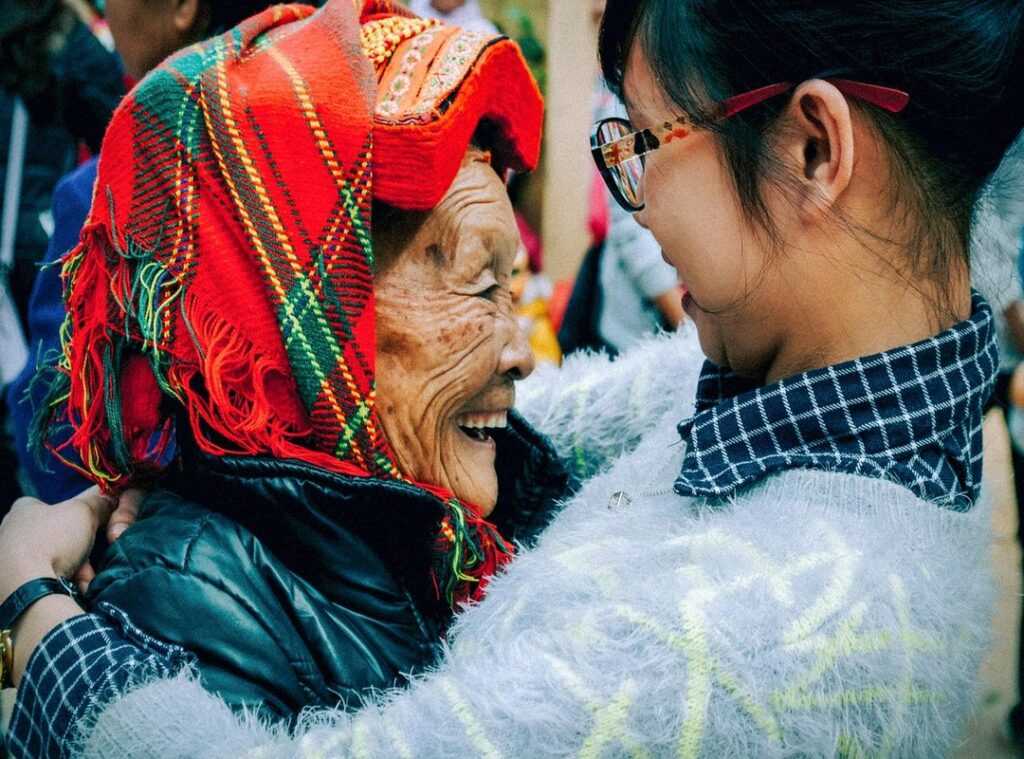
How often do you encounter new ideas, foods, or art forms without realizing their global journey? We live in an interconnected world, yet many of us miss the subtle ways cultures influence each other. That’s a problem.
If we don’t understand these connections, we miss out on opportunities for growth and understanding.
I’ve spent years observing how cultural exchanges shape societies and economies. I’ve seen firsthand how they enrich communities and fuel innovation.
This article dives into how cultural exchanges influence our lives. It unpacks the complex impact they have, from the foods we enjoy to the art we admire.
You’ll discover how these exchanges affect everything from individual experiences to larger societal shifts.
Trust me, the takeaways here come from a deep understanding of global trends. You’ll walk away with a better grasp of how cultural interactions create a more changing and enriched world.
Cultural Exchange: A Tale of Trade and Tradition
Cultural exchange is such a simple idea. It’s just people from different backgrounds sharing ideas, customs, and traditions. But it’s also so much more.
It’s about the unique and reciprocal nature of these interactions. Picture this: folks swapping recipes, music, and dances, creating a melting pot of influences. That’s cultural exchange in action.
Now, let’s not confuse this with cultural appropriation. That’s when someone borrows from another culture without understanding or respecting it. Big difference, right?
Cultural exchange requires mutual respect and curiosity, not just taking the cool stuff.
History is full of cultural exchanges. Think of the Silk Road, where traders didn’t just exchange silk and spices but also shared stories and philosophies that mingled across borders. Or the Age of Exploration, which brought new foods and ideas but also exploitation (a mixed bag, really).
Even ancient empires had their moments of cultural swap, impacting art and governance.
Why does this matter? Because cultural exchanges influence our world in deep ways. They’ve driven progress and shaped civilizations.
We’re constantly borrowing and adapting, learning and growing. It’s as fundamental as breathing. So, what does this mean for us today?
Simply put, cultural exchange isn’t just a relic of the past. It’s a key part of our global identity.
Bridging Worlds: Cultural Exchange and Its Ripple Effects
Cultural exchanges influence more than just travel itineraries. They break down stereotypes, plain and simple. When you swap stories with someone from across the globe, you start to see them as a person, not a caricature.
That’s huge.
These exchanges also hit home on a personal level. Ever notice how meeting someone from a different background can challenge your assumptions? It’s like a mental workout, broadening perspectives and sparking growth.
You might even start seeing the world differently, questioning old beliefs. It’s big (oops, I’ll allow that one).
Diplomatic programs and shared experiences play a major role in promoting peace. When people connect over shared interests, conflicts can lose their sting. Think about international student programs, global festivals, or art projects.
Each is a small step toward understanding. These activities act like glue, binding communities together.
But what about the broader impact on local global impact communities? These exchanges build mutual respect and empathy, reducing tension. You see it in the smiles and shared laughter at a festival.
It’s not just about the event; it’s about the connections made. Those connections? They’re the seeds of a more peaceful world.
That’s the real magic of cultural exchange.
Exchange: Fueling Innovation and Growth
Cultural exchanges influence our world in ways we often take for granted. Take innovation, for instance. When people from different backgrounds meet, new ideas and practices are born.
This sparks creativity and, frankly, fuels economic growth. Remember when the printing press changed everything? It spread like wildfire across borders, much like the internet today.
The global trade agreements further open up markets, bringing new goods and services into play. It’s not just about buying and selling; it’s about sharing ideas.
Tourism? Oh, that’s a big one. Travelers bring money to local economies, and in return, they take home stories, art, and maybe a new dish or two.
Ever tried sushi in New York? That’s cultural exchange on a plate. And what about tech?
Multinational collaborations are breeding grounds for new inventions.
Fashion’s another great example. Styles from Paris influence New York runways, and suddenly, we’re all wearing berets (well, maybe not all of us). These exchanges aren’t just fluff.
They shape industries and communities. It’s a cycle of giving and taking, and it’s solid. Bold ideas thrive on this exchange. So, next time you see a new product or trend, ask yourself: where did this come from?
Cultural Crossroads: Art, Language, and Learning
I’ve always thought that cultural exchanges are like the secret sauce in the recipe of human expression. They stir the pot, making music, literature, and art richer. Take the evolution of jazz (born) from the mix of African and European traditions.
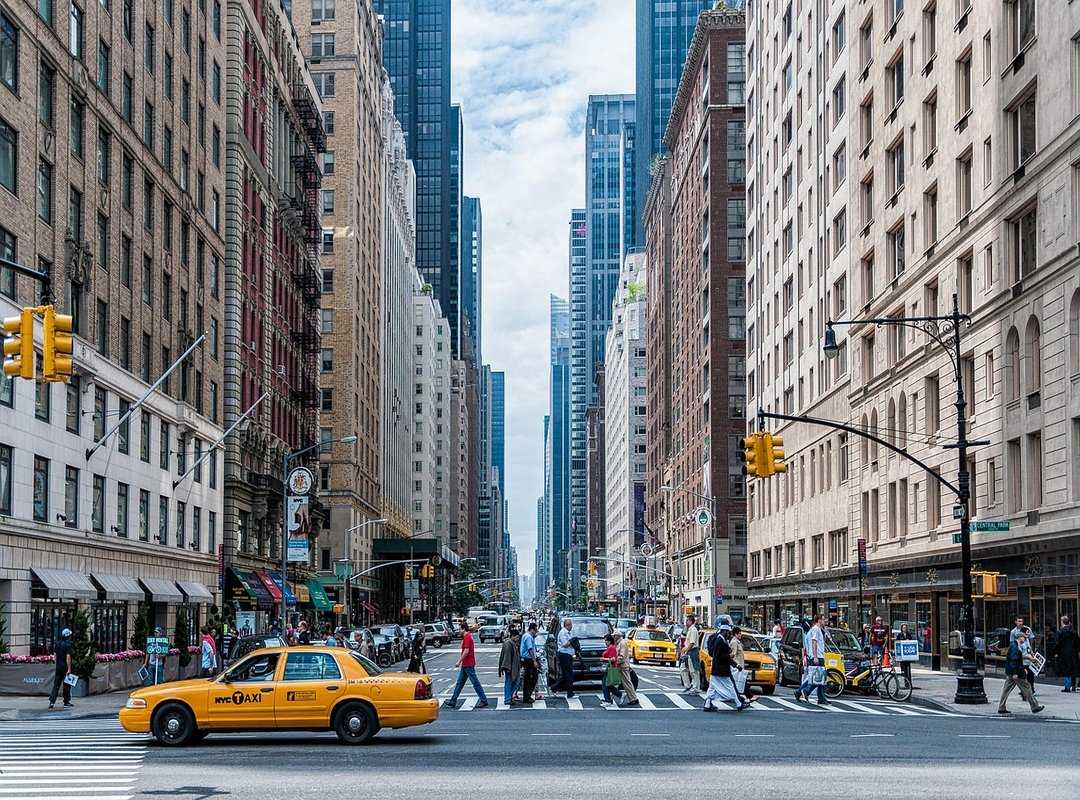
Or fusion cuisine, where dishes become something entirely new. When cultures meet, magic happens.
Language is no different. It evolves through exchange too. Ever wonder how many loanwords exist in English?
Tons. And that’s not just trivia (it’s) proof of our malleable tongues. The rise of multilingualism is unstoppable, and translation is the glue holding it all together.
Shakespeare’s works, for example, are read globally, transcending language barriers.
Education benefits, too, from this melting pot. Different teaching styles and global curricula offer diverse academic perspectives. It’s fascinating to see how students learn differently around the world.
The international rise of K-Pop shows how cultural exchanges influence pop culture, blending sounds and styles from different corners of the globe.
Want to dive deeper into this? The cultural exchanges influence is undeniable. So next time you hear a foreign song or taste a new dish, think about the cultures coming together behind it.
It’s a small world, and that’s a good thing.
Navigating Cultural Exchange: Challenges and Ethics
Cultural exchange can be a minefield. Ever wonder where appreciation ends and appropriation begins? It’s a key distinction.
One’s about respect, the other’s theft. Borrowing someone’s cultural symbols like they’re just fashion isn’t cool. It’s about understanding and honoring the culture behind the styles.
Think about cultural homogenization. What happens when dominant cultures overwhelm minority ones? We risk losing unique traditions.
It’s like watching your favorite indie band sell out to pop trends. Suddenly, all their songs sound the same. Nobody wants that.
Then there’s power imbalance. When dominant cultures dictate the narrative, minority voices get drowned out. How do we fix this?
Promote equal voices in cultural exchanges. Influence should flow both ways.
So how do we get through this complex scene? Start by promoting respect and mutual benefit in cultural exchanges. Listen more.
Let’s not forget the ethical dilemmas of authenticity and commercialization. Are we celebrating a culture or just exploiting it for profit? It’s a fine line.
Speak less. Learn the stories behind the symbols. Engage genuinely.
That’s how cultural exchanges influence the world positively. We can all do better. Let’s start today.
The Power of Connection
You’ve seen how cultural exchanges influence our lives. Understanding these dynamics is key for navigating a world that feels smaller every day. It’s time to embrace thoughtful, respectful exchanges to build empathy and innovation.
This isn’t just about learning; it’s about growing.
So, what will you do next? Actively seek out diverse cultural experiences. Engage with different traditions.
Keep exploring the richness of human expression around you. Don’t just stand on the sidelines. Dive in and make those connections.
Your open-minded approach can change perspectives and build a more prosperous global community. Let’s get started!
 Milt Lykosellis founded Altway News with a mission to bridge the gap between trending headlines and meaningful, in-depth storytelling. By balancing local affairs with global perspectives and prioritizing rigorous investigative reporting, Lykosellis has created a platform that empowers news consumers with clarity and insight. His leadership ensures the outlet remains a trusted resource, delivering intentional content that helps readers navigate the complexities of today’s ever-changing world.