
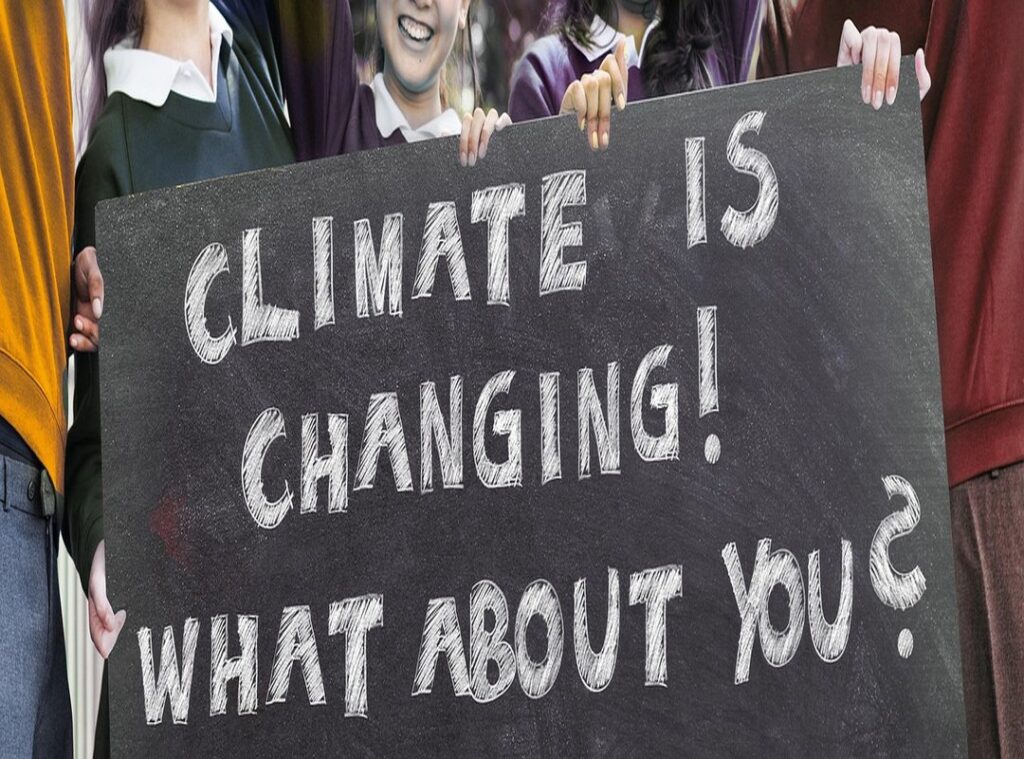
You’ve probably noticed it. The weather acting weird, trees disappearing, and the seasons feeling off. These local environmental changes are all around us, but do we really understand them?
Many folks see the shifts but don’t grasp what’s causing them or how they affect our daily lives.
I’ve covered local and global affairs long enough to know these changes tie into bigger environmental issues. Understanding the connection is key.
In this article, I’ll break down what these changes mean for you and your community. You’ll get clear definitions and real-world examples. Why should you care?
Because these shifts impact your backyard, your health, and the quality of life in your neighborhood.
You deserve to know how climate change local affects you directly.
I promise to give you the takeaways you need to engage with these issues. Together, we can demystify what’s happening right outside your window. Get ready to understand and respond to the changes that matter most.
What’s Happening Around Us: Local Environmental Changes
When I talk about local environmental changes, I mean the shifts we see right in our neighborhoods. Think about that stream you used to cross on your morning jog suddenly drying up. It’s not just climate change on a grand scale; it’s what hits home.
You might have noticed a local park losing certain tree species or the birds that used to flock here every fall taking a different route.
These changes are specific to a geographic area (like) your town or even a watershed. Sure, global climate trends are a beast of their own, but they often show up in our backyard first. You can feel this, right?
Why should we care? Because the local scale is where we feel the impacts most directly. It’s where individual and community actions can make the most immediate difference.
One change in a local space can ripple out, affecting everything else around it. You know what I’m saying?
Curious about how these changes relate to broader issues? You might want to learn more about bridging cultural gaps. By understanding and acting locally, we can better get through the global challenges we face.
Spotting Local Environmental Changes
Have you noticed how the weather seems off lately? Climate change local is hitting home more than we might think. Summers that seem hotter, winters that barely chill your bones. These aren’t just flukes.
They’re real shifts in our weather patterns. And let’s talk rain. Sometimes it’s a deluge, other times, a drought.
It makes you wonder, right?
But weather isn’t the only clue. Look around at the land itself. Urbanization is gobbling up green spaces faster than ever.
Water quality is another red flag. Have you seen the algae blooms in lakes recently? It’s not just gross, it’s a warning sign.
Forests are getting chopped to bits for more buildings, and wildlife is getting pushed out. It’s not just about losing trees; it’s about losing whole ecosystems.
Polluted rivers and dropping groundwater levels aren’t just someone else’s problem. They’re ours.
Then there’s the wildlife. New species showing up, old ones vanishing (it’s) like a bizarre game of musical chairs. These shifts in biodiversity signal deeper changes.
If it feels like we’re living in a sci-fi movie, you’re not wrong. Keep an eye out. The environment’s talking, and it’s time we listen.
Spotting Local Environmental Changes: Your Guide
You ever notice how things change around you, almost sneakily? One day, the cherry blossoms appear early, and you’re like, “Wait, wasn’t this supposed to happen next month?” Being observant isn’t just for the detectives. We can all make a difference by becoming local observers.
Start simple. Watch for seasonal shifts, like when leaves drop or birds flock. This isn’t just some hobby for the retired.
It matters. Check out the water levels in your nearby pond. Are they different this year?
Maybe they are.
Local data is your best friend. Use historical weather info or reports from local nature centers. They can surprise you with takeaways.
They often have stories that provide context.
And guess what? Your local community is filled with folks who remember how things used to be. Talk to long-term residents.
Citizen science is another shot at making a mark. Join a bird count or monitor water quality. It sounds nerdy, but it’s cool to know you’re impacting broader scientific understanding.
Wanna learn more about how climate change local affects you?
Finally, look for unusual signs: earlier blooms, pesky new bugs, even wildlife acting strange. Notice these? You’re onto something.
Remember, it’s about staying connected to the world right around you.
Climate Change Local: What’s Happening in Your Backyard
You ever notice how the air feels different after a wildfire? It’s not just your imagination. Changes in air quality can mess with your lungs and your mood (not to mention your weekend plans).
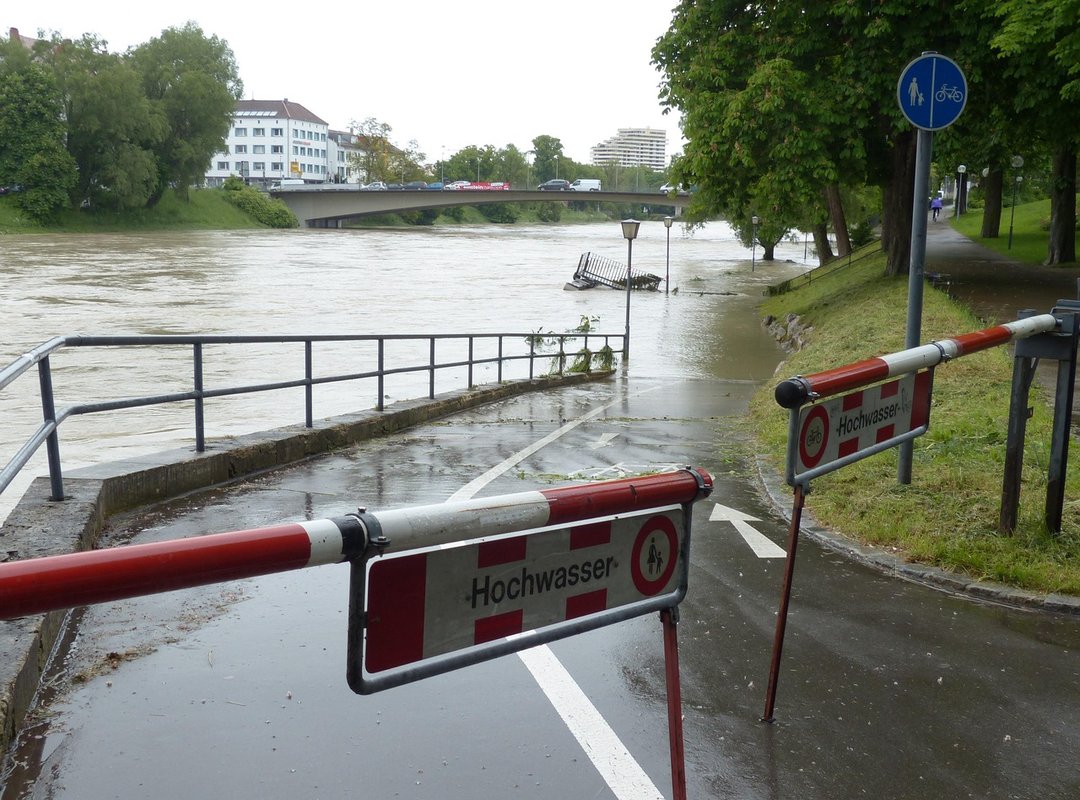
And when it gets too hot, we’re not just talking sweat. We’re talking serious health issues.
The economy takes a hit too. Local farms and tourism suffer when extreme weather wreaks havoc. Flooded roads, eroded beaches, and damaged property?
That’s a tough sell for any community. Wondering about your property value? Yeah, it’s affected.
Our lifestyles shift, sometimes subtly. Maybe your favorite hiking spot is closed due to fires, or fishing trips are canceled because the water’s too warm. These aren’t just inconveniences; they change how we live and enjoy our environment.
Healthy ecosystems give us clean air and water. They soften the blow of floods. Lose these services, and we’re in trouble.
These are not distant issues. They’re here and they’re real. The conversation about climate and its effects is as relevant as the rise of populism global perspective.
Taking Action: Local Environmental Challenges
Ever feel overwhelmed by the doom and gloom of climate change? I get it. But there’s a lot we can do right here, right now.
Start small. Reducing personal energy consumption isn’t just a buzzword (it’s) a game-changer. Turn off lights, unplug chargers. Easy stuff, right?
Let’s talk local businesses. Supporting them isn’t just good for the economy. It’s important for sustainability.
Buy from places that care about the planet. And hey, what about planting native species? They thrive with less water and support local wildlife.
It’s a win-win.
Community engagement is where we can really make waves. Join local clean-up efforts. Advocate for green infrastructure.
Town hall meetings might sound dull, but they’re key for voicing concerns. Get involved and make your voice heard.
Sharing knowledge is solid. Encourage conversations about local environmental issues. Talk to friends, family, neighbors.
You’d be surprised how much impact one conversation can have.
Stay informed on local policies. Know what’s happening with zoning changes and environmental protections. Contact your representatives.
They work for you, after all.
Lastly, connect with local environmental groups or government programs. They’re out there doing the hard work. Let’s support them.
Together, we can tackle these challenges head-on.
Take Charge of Your Community
I’ve laid out what climate change local means and how to spot it. You might still feel confused about these changes in your environment. But here’s the thing: knowledge is power.
With the right tools, you can shift from just noticing issues to actively engaging with them.
Now is the time to apply what you’ve learned. Step up and protect your local environment. Stay informed and make decisions that benefit your community.
Don’t wait for someone else to take action. Start today. Your involvement matters more than you think.
Take the first step now.
 Milt Lykosellis founded Altway News with a mission to bridge the gap between trending headlines and meaningful, in-depth storytelling. By balancing local affairs with global perspectives and prioritizing rigorous investigative reporting, Lykosellis has created a platform that empowers news consumers with clarity and insight. His leadership ensures the outlet remains a trusted resource, delivering intentional content that helps readers navigate the complexities of today’s ever-changing world.