
The world of international commerce is changing fast. It’s hard to keep up, isn’t it?
I get it. As global trade dynamics shift, staying informed becomes a challenge. If you don’t know what’s happening, you can easily fall behind.
This article aims to cut through the noise. I want to demystify the current and emerging trends in global trade. You’ll find actionable takeaways to help you stay competitive.
I take this seriously. I’m committed to providing in-depth analysis of global affairs. You can trust that my content is well-researched and backed by a solid track record of covering significant economic shifts.
By reading this, you will gain a clear understanding of the forces shaping international commerce. You’ll discover how to adapt to these changes effectively.
So, are you ready to dive in and make sense of it all? Let’s get started.
Forces Shaping Global Trade
When we talk about global trade dynamics, we’re not just looking at numbers. It’s about the forces beneath the surface reshaping everything. Technology, for one, is a beast.
It’s changing how we connect, buy, and sell. Think about the rise of digital platforms and how they’re rewriting the rules. Then there’s geopolitics.
Tensions can shift trade routes overnight. Remember the trade wars? They taught us how fragile international agreements can be.
And let’s not forget the consumer. People want different things now. Sustainability, local products, and ethical sourcing are buzzwords.
They’re not just trends; they’re demands. This shift impacts what businesses offer and how they operate.
Now, globalization’s getting a reboot. Some call it “slowbalization” or even regionalization. We’re seeing more local trade agreements and less reliance on distant partners.
This rethinking of globalization opens up new paths while closing old ones.
Feeling overwhelmed? You’re not alone. The interconnectedness of these events can make anyone’s head spin.
But here’s a pro tip: focus on the opportunities. Every shift creates new chances for innovation and growth. So, while the space evolves, stay curious, stay informed, and keep an eye on where the world is heading next.
Digital Acceleration: E-commerce, AI, and the Future of Trade
The world of global trade dynamics is changing fast. E-commerce has exploded, giving small businesses a chance to sell internationally like never before. This isn’t just about big corporations anymore.
It’s personal now. You might wonder, how are these changes happening so quickly? Well, technology plays a huge role.
Artificial intelligence and machine learning are transforming logistics and supply chains. They predict demand, improve routes, and reduce waste. It’s like having a crystal ball for your business.
If you’re running an online store, these tools can make or break your success. And don’t get me started on blockchain. It enhances transparency and security in transactions.
You know every step your product takes, and so does your customer.
Businesses around the world are using these digital tools to simplify operations. They’re reaching new markets and expanding faster than we ever thought possible. For example, a small artisan shop in Ohio can now sell handcrafted goods to customers in Tokyo.
Technology is changing how goods move across borders, no doubt about it.
And while we’re on changes, you should check out modern journalism ethics truth to see how media is evolving too. In this digital age, everything is connected.
Navigating Geopolitical Chaos and Supply Chain Risks
Trade wars and tariffs. They’ve thrown a wrench in global trade dynamics. You feel it, don’t you?
Businesses are scrambling to adapt. We’re seeing a shift. Companies are diversifying supply chains, turning to “reshoring” or “nearshoring” strategies.
“Friend-shoring” is the new buzzword. Align with countries you trust. It’s like choosing your teammates wisely in a dodgeball game.
It’s smart. Why leave your business exposed to unpredictable global events?
Makes sense, right? But how do you actually protect your business? Adaptable supply chains are key.
Companies are building them to withstand geopolitical instability.
Curious about how businesses are doing this? They’re not just relying on one source for materials anymore. Nope.
Instead, they’re spreading out, ensuring that if one source fails, there’s a backup. This isn’t just theory. It’s happening now.
And what about those global imbalances in international trade, dynamics of …? They’re a big piece of this puzzle. They force companies to rethink strategies.
Pro Tip: Keep an eye on international relations. They change fast. You don’t want to be caught off guard.
Stay informed. Adapt. That’s the only way to thrive in this unpredictable space.
Sustainability and Ethical Commerce: The New Norm
Are ethical practices genuinely affecting trade? Absolutely. The global trade dynamics are shifting, and it’s about time.
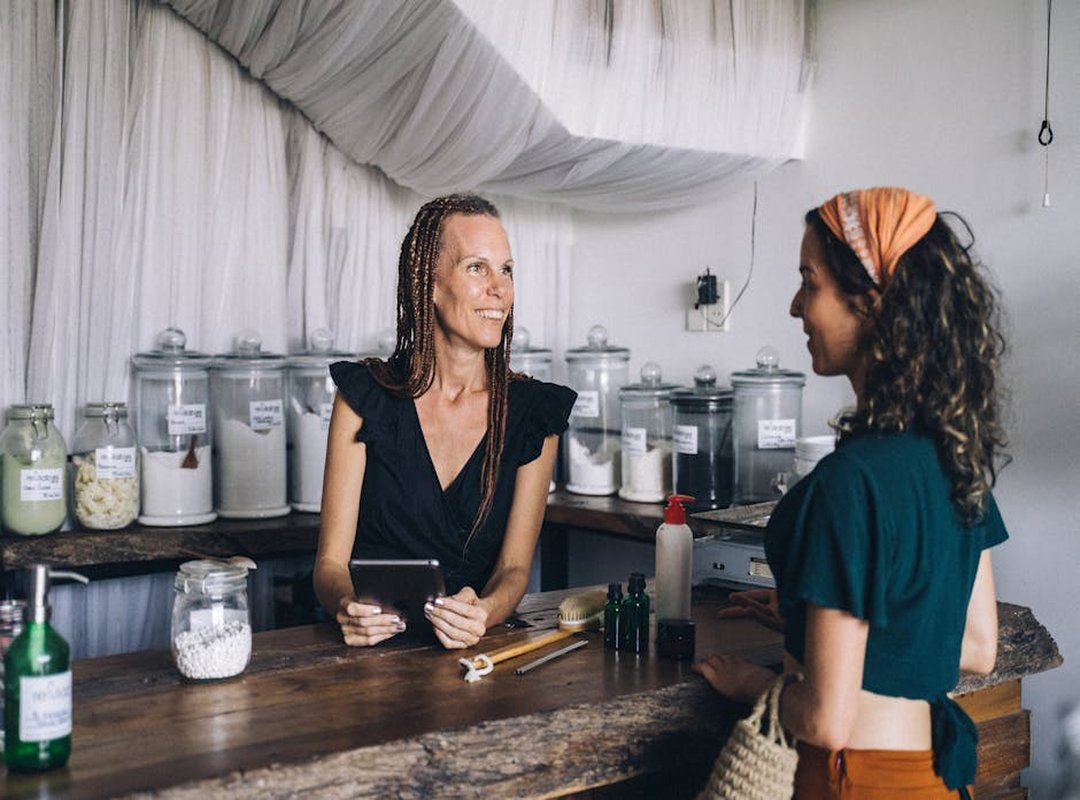
Consumers demand sustainable products, and it’s not just a trend. It’s the new standard. You can’t ignore it if you want to stay relevant.
Companies are scrambling to integrate ESG (environmental, social, governance) factors into their strategies. Does your business plan reflect these changes? If not, you’re missing out on a massive market.
Regulatory bodies are upping the ante too. Carbon reduction and fair labor standards are no longer optional. Circular economy practices?
They’re becoming mandatory. This isn’t just a feel-good move. It’s a competitive edge.
You’re either on board or being left behind.
So, what should you do? Start by evaluating your supply chain. Are your products ethically sourced?
If not, it’s time for a change. Consumers are watching, and they’re vocal. The pressure is real and growing.
Want a deeper dive into how this affects the workplace? Learn more. Ignoring this shift isn’t just risky. It’s a recipe for disaster.
New Trade Blocs: The Future of Markets
Emerging economies in Asia, Africa, and Latin America are reshaping global trade dynamics. These places aren’t just pinpoints on a map anymore. They’re major players.
You might be asking, “Where’s the next big trade opportunity?” Well, look no further than new regional trade blocs like RCEP and AfCFTA. They’re redefining how countries interact, creating both opportunities and challenges.
One minute, you’re dealing with traditional partners, and the next, you’re eyeing a new market with untapped potential. It’s a dance, really. Sectors like tech in Asia and energy in Africa are booming.
But how do you get in? It’s about plan and timing. Dive into these markets by understanding local needs and forming partnerships.
That’s not just smart; it’s important.
Pro tip: Keep your ear to the ground. Trade venues and local takeaways can be gold. Staying informed helps get through these changing landscapes.
So, are you ready to jump into this lively new world of trade?
Navigating the Future of Trade
Understanding global trade dynamics is not just a nice-to-have. It’s key. The complexity of today’s international market can overwhelm anyone.
I get it. The challenge is real, but so are the solutions.
Digital adoption, supply chain resilience, sustainability, and market diversification are effective strategies. They aren’t just buzzwords; they are the lifelines for long-term success. Ignoring these trends means risking stagnation.
You need to adapt proactively. This isn’t a choice; it’s a necessity. Staying informed and monitoring these trends is important.
So, what’s the next step? Dive deeper into reliable sources. Equip yourself with the takeaways that can guide your decisions.
Don’t wait for opportunities to pass you by. Take action now to make sure you’re not just surviving but thriving in this global marketplace.
Your future depends on it. Make informed choices today.
 Milt Lykosellis founded Altway News with a mission to bridge the gap between trending headlines and meaningful, in-depth storytelling. By balancing local affairs with global perspectives and prioritizing rigorous investigative reporting, Lykosellis has created a platform that empowers news consumers with clarity and insight. His leadership ensures the outlet remains a trusted resource, delivering intentional content that helps readers navigate the complexities of today’s ever-changing world.