
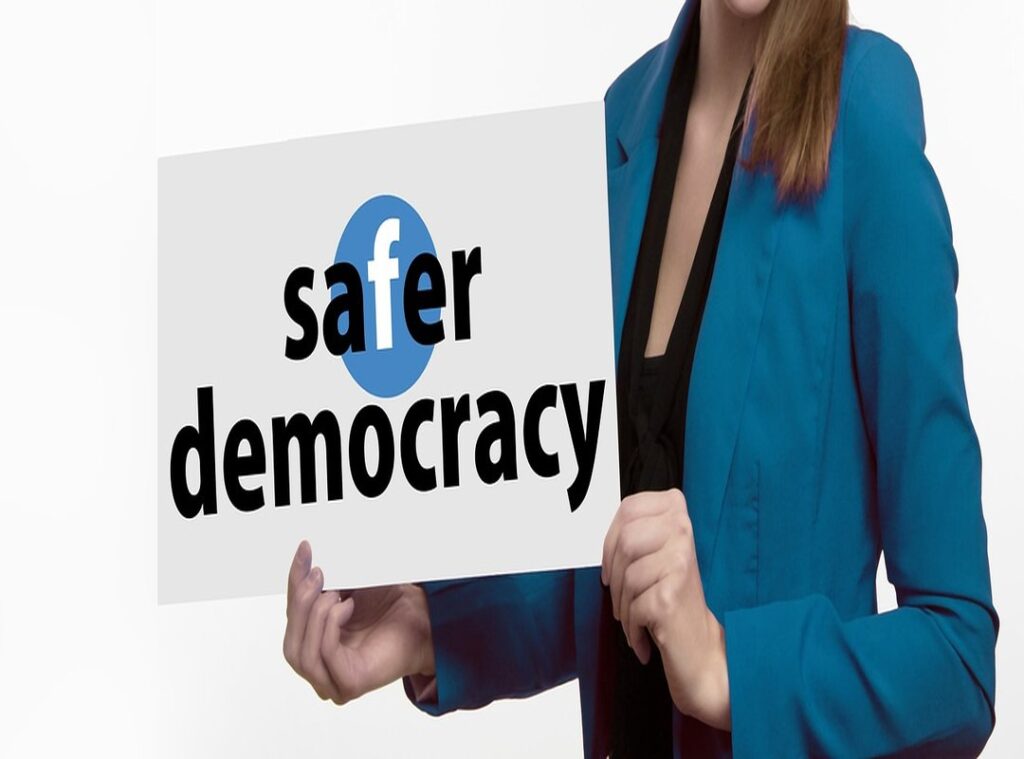
Political discussions on social media political can be a nightmare. I’ve been there, feeling overwhelmed and frustrated. It’s hard to engage constructively when everyone seems to shout their opinions without listening.
You might wonder if it’s even worth participating at all.
Many users struggle to sift through the noise and find reliable information. I get it. It’s exhausting.
But here’s the thing: understanding these discussions is key in today’s world.
This article will give you practical strategies to get through these tricky waters. I’ll share takeaways that help you not just survive but thrive in online political conversations. You’ll learn how to engage more effectively and even improve your experience.
I draw on expertise analyzing public discourse and media trends. Together, we can tackle the challenges and seize the opportunities that arise in the digital political space. Let’s dive in and take control of our online discussions.
Understanding the Digital Battleground: Why Online Political
Ever noticed how political debates online feel different? They are. Offline, we rely on non-verbal cues like tone and body language.
Online, these cues are missing, leading to misinterpretations. Posts stick around forever, haunting users longer than that embarrassing middle school photo.
Algorithms play a sneaky role, serving content that sparks engagement (and often outrage). This can push us into echo chambers where we only hear our own views echoed back. It’s a breeding ground for polarization.
Ever heard of filter bubbles? They’re real, and they keep us comfortable in our own biases.
Anonymity online makes people bold (and sometimes nasty). People say things they’d never dare face-to-face. It’s like a digital mask giving them courage, or maybe just a lack of accountability.
The sheer volume of political content is overwhelming. It’s like drinking from a firehose.
Feeling fatigued? You’re not alone. To get through this madness, you might want to learn more about how these platforms shape our views.
Social media political discussions aren’t just conversations; they’re battles for influence and attention. It’s a wild world out there.
Fact vs. Fiction: Tools for Spotting Misinformation
In political debates online, the lines between misinformation and disinformation blur. Misinformation happens when false info spreads unintentionally. Disinformation?
That’s a different beast (it’s) deliberate. You know, those sneaky, purposefully crafted lies.
Evaluating sources is your first defense. Cross-reference info. Check those publication dates.
Look for bias and watch out for sensational language. See a headline screaming at you? It’s probably clickbait.
Ever hear of fact-checking sites? They’re gold. Use them to verify claims in political discussions on social media.
Trust me, it’s like having a truth detector. And speaking about social media political drama, fake accounts and manipulated images are rampant. People just love spreading stuff without blinking twice.
Cognitive biases. Like confirmation bias (are) tricky. They make you cling to info that matches your views (admit it, we’ve all been there).
It’s like a mental echo chamber. For a deep dive into how social media shapes what we believe, check out this overview.
Pro tip: keep questioning. It’s easy to get swept up in the current, especially online. Truth-seeking takes effort, but it’s worth the sweat.
Beyond the Echo Chamber: Strategies for Smart Social Sparring
Engaging in social media political discussions can feel like jumping into a lion’s den. So, how do you keep it from becoming a shouting match? It’s all about active listening.
I read to understand, not just to reply. Are you really hearing the other person, or just waiting for your turn to speak? Asking clarifying questions shows you actually care to understand.
When disagreements get heated, focus on ideas, not the person. Use “I” statements (“I) feel,” “I think” (because) they keep the conversation about perspectives, not personal attacks. It’s hard, but it’s worth it.
Know when to walk away. Not every battle is worth your energy. Disengage from toxic threads by muting, blocking, or reporting content that spirals out of control.
Lead by example. Share well-sourced information and maintain a civil tone. We don’t need more noise; we need more thoughtfulness.
Your mental health isn’t worth a Twitter war.
If you’re not raising the quality of discourse, what’s the point? Let’s make social media a place for real conversation, not just a megaphone for the loudest voice. Isn’t it time we all stop shouting and start talking?
Navigating the Noise: Protecting Your Mental Health
Social media political debates? They’re a minefield. I get it.

It’s exhausting, dragging you into a vortex of negativity. It’s like an unending stream of chaos right in your pocket. You feel that too?
Here’s my take: set strict time limits on social media. You can reduce the emotional toll by taking regular digital breaks. Unfollow and mute those who spout nothing but venom.
Adjust your notifications. Make it a habit to curate your feed smarter each day.
Recognizing burnout isn’t easy. You might feel drained, anxious, or just over it. If that’s you, step back and prioritize offline activities.
Bake a cake, read a book, or heck, take a walk. Anything that doesn’t involve a screen can be refreshing.
Balance is key. Seek diverse sources of information beyond the social sphere. Try reading about breakthroughs renewable energy, for instance, over at Altway News.
It’s a breath of fresh air compared to typical shouting matches.
Ultimately, your mental health matters more than winning an argument online. So, ask yourself: is this debate worth your peace of mind? If not, detach and reclaim your time.
Harnessing the Power: Political Discussions on Social Media
Social media isn’t just for cat memes anymore. It’s turned into a solid tool for change. Ever notice how quickly a hashtag can mobilize a movement or spark a debate?
I’ve seen social media political discussions raise awareness for causes that traditional media would completely overlook. Just think about the massive protests organized through Facebook or Twitter. People are finding their voices, and sometimes, their power.
These platforms amplify voices that would otherwise be ignored. Marginalized groups are finally getting heard, bringing fresh and much-needed perspectives into the spotlight. Aren’t we all tired of the same old voices trying to speak for everyone else?
Social media levels the playing field, letting everyday people call out politicians and hold them accountable.
Yes, it can get messy. But isn’t that part of the process? You can use your platform for more than just selfies.
Share verified information and encourage meaningful discussions. Promote empathy instead of division. Let’s use this digital space to push for constructive political initiatives.
Next time you’re scrolling, think about how you can be part of the change. What will you say? How will you contribute?
Take Charge of Online Discourse
You came here looking for ways to tackle the chaos of social media political discussions. The challenges of polarization and misinformation can weigh heavily. But I showed you how to get through these pitfalls.
By using key thinking, constructive engagement, and self-care, you can change your online experience for the better.
So why wait? Help yourself today. Start applying these strategies and be a more informed, key, and positive participant in political discourse.
Your voice matters. Let it shine in the online space. Take action now and shape a better environment for everyone.
 Milt Lykosellis founded Altway News with a mission to bridge the gap between trending headlines and meaningful, in-depth storytelling. By balancing local affairs with global perspectives and prioritizing rigorous investigative reporting, Lykosellis has created a platform that empowers news consumers with clarity and insight. His leadership ensures the outlet remains a trusted resource, delivering intentional content that helps readers navigate the complexities of today’s ever-changing world.