
The global wildlife trade is a massive issue that often goes unnoticed. It’s not just about exotic pets or souvenirs. It’s about survival, both for the animals and for ecosystems that depend on them.
You might be wondering, why should I care? Because this trade fuels illegal activities and threatens biodiversity. I’ve seen firsthand how it impacts local communities and global environments.
This article digs deep into the realities of the wildlife trade. I’ll share takeaways from experts and frontline activists who know the stakes. You’ll learn about the laws, the loopholes, and what’s being done to protect endangered species.
I promise you’ll walk away with a clearer understanding of the complexities involved. You’ll see how your choices matter in this fight. Together, we can raise awareness and make a difference for our wildlife.
Let’s explore the truth behind the numbers and the stories that often get lost in the noise.
Beyond the Headlines: Defining International Wildlife Commerce
International wildlife commerce isn’t just about the animals you might picture in a zoo. It’s a vast network involving the global wildlife trade of animals, plants, and their parts. This trade crosses borders and fills markets with everything from sustainably sourced timber to illegally harvested rhino horn.
Legal trade? Think CITES-permitted exotic pets. Illegal trade?
But let’s not kid ourselves. The scale of this trade is enormous, running into billions annually. Legal trade contributes to economies, while illegal trade fuels crime syndicates.
Rhino horn and pangolin scales come to mind (and they should).
And it’s not just about elephants and tigers. Fish, insects, medicinal plants, and timber are all part of the mix, often overlooked but just as significant.
Now, what about those grey areas? Regulations can be murky. Legal channels sometimes get exploited to launder illegal goods.
Loopholes and poor enforcement don’t help either. It’s a mess of legality and exploitation waiting to be untangled.
Feeling overwhelmed yet? That’s the point. This is a complex web, where the lines between legal and illegal blur more often than we’d like to admit.
It’s more than just headlines. It’s a global issue we can’t ignore.
The Driving Forces: Why the Trade Persists and Thrives
The global wildlife trade keeps chugging along. Ever wonder why?
First up, traditional medicine and cultural uses. Some folks still swear by the healing powers of tiger bones and bear bile. It’s fascinating but also concerning.
How do you change beliefs rooted in centuries?
Now, let’s chat about exotic pets. Owning a rare parrot or a lively reptile can be a status symbol. It’s a different form of collecting, but one that sometimes crosses ethical lines.
Seriously, who needs a Komodo dragon as a pet?
Luxury goods play their part too. Ever coveted an ivory carving or a fur coat? These items shout wealth and exclusivity.
Yet, behind that glamour lies a grim reality of poaching and overexploitation.
Then there’s food. Yes, food. Certain cuisines demand wild-caught species, some dishes even revolve around bushmeat.
It’s a culinary adventure for some, a dangerous trade for others.
On the flip side, poverty pushes some communities into poaching for survival. It’s a harsh cycle. The lure of quick cash can be irresistible.
And don’t get me started on the organized crime networks raking in profits with minimal risk compared to drug trafficking.
Corruption greases the wheels. From local officials to border agents, it’s a game of turning blind eyes. It makes enforcement a joke.
Want to dive deeper into how technology plays a role? Check out Digital Surveillance What To Know. And if you’re curious about the nitty-gritty of these supply-side dynamics, this detailed guide is worth a read.
The Ripple Effect: Wildlife Trade’s Hidden Costs
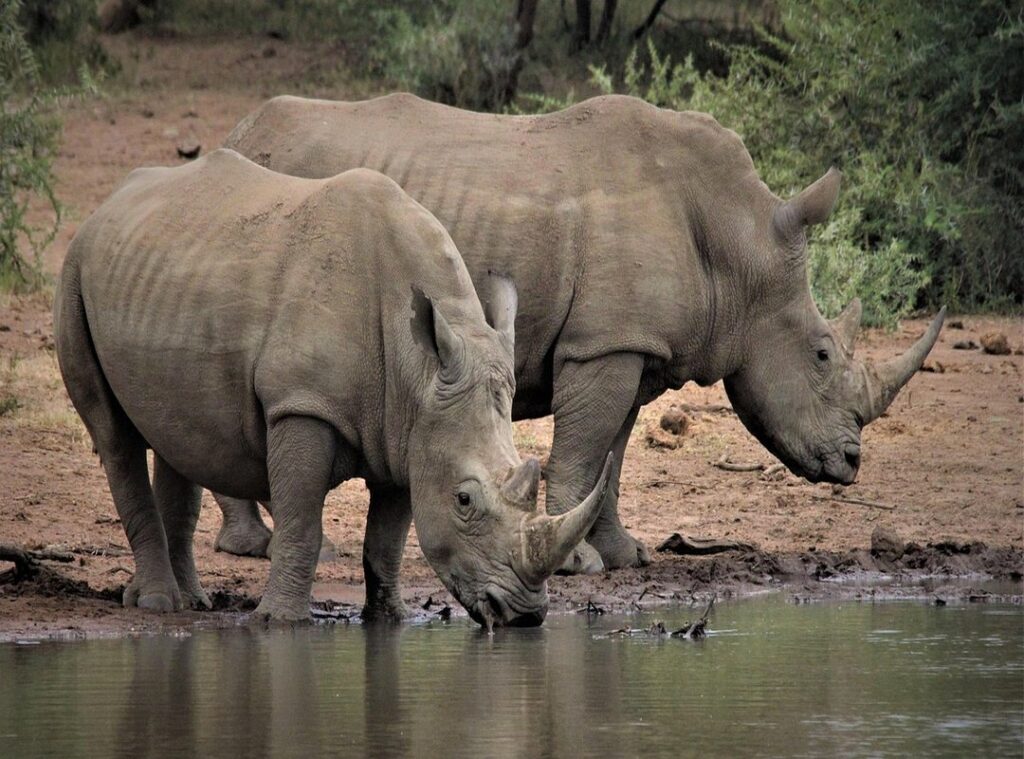
I’ve seen firsthand how the global wildlife trade wreaks havoc on ecosystems. Elephants and rhinos, once thriving, now teeter on the brink of extinction. It’s not just about losing these majestic creatures.
Their absence disrupts entire ecosystems, affecting everything from food webs to pollination.
Have you ever thought about how the loss of a single species can ripple through an space? It’s like removing a thread from a mix (okay, I know, I said no cliches, but it’s true). And it doesn’t just stop there.
Local communities suffer too. Indigenous peoples, relying on healthy ecosystems for their livelihoods and cultural heritage, are left in the lurch.
Then there’s the health risk. The capture and transport of wild animals in unsanitary conditions? That’s a pandemic waiting to happen.
COVID-19 and Ebola didn’t just pop up from nowhere. They’re linked to this trade. And in our interconnected world, a local outbreak can quickly become a global crisis.
Let’s not forget how this trade funds organized crime. Syndicates thrive on it. It’s a cash cow for them.
And when illegal trade flourishes, governance crumbles. Countries struggle with corruption and weakened institutions. This is a real issue, one we can’t ignore.
And there’s an economic angle too. Lost tourism revenue and enforcement costs pile up. It’s a mess.
Curious about how this ties into governance issues? Check out Uncovering Corruption Local Governments. It’s all interconnected.
The Wildlife Trade Maze: Laws and Challenges
Ever wonder how tangled the global wildlife trade web is? It’s a mess! The CITES agreement is like the referee calling the shots.
It puts species into three appendices based on their conservation status and demands a permit for trade. But CITES isn’t the only player. The Convention on Biological Diversity and the UN Office on Drugs and Crime also weigh in, though not always directly.
Countries have their own takes. They take CITES rules and mold them into national laws. But here’s the kicker: everyone’s doing it differently, creating gaps and loopholes.
Think of it like trying to solve a puzzle with pieces that don’t fit. It’s frustrating.
Enforcement? A whole other beast. Many countries lack the money, training, and gear to keep up.
Customs officials, law enforcement, and park rangers are often left high and dry. Meanwhile, criminal networks are getting slicker. They’re using digital tech and advanced logistics to stay ahead.
It’s like they’re playing chess while the rest of the world struggles with checkers.
Corruption is a nasty reality. Political will often fizzles out under the weight of it. And tracking the origin of wildlife products?
That’s like finding a needle in a haystack, especially when they hit legal markets. These products blend in too well.
The future? More international cooperation could help, but only if the political will is there. Will we see tighter laws and better enforcement?
Maybe. But for now, the global wildlife trade continues to challenge us all.
Protecting Our Planet Together
The global wildlife trade is a tangled web that threatens our planet. The ongoing illegal trade and unsustainable legal practices are draining our natural resources and putting us all at risk.
You might wonder why this matters. It’s simple: our health, security, and biodiversity are all on the line. Understanding what’s driving this issue is key for finding real solutions.
We can’t just sit back. Each of us has a role to play. Research where your products come from.
Support businesses that prioritize ethics and sustainability. Push for stronger laws and international cooperation.
Engage with conservation groups that are making a difference.
Collective action is important for safeguarding our environment.
You have the power to make informed choices. Let’s protect our irreplaceable biodiversity for the generations to come. Start today.
Your actions matter. Together, we can create meaningful change.
 Milt Lykosellis founded Altway News with a mission to bridge the gap between trending headlines and meaningful, in-depth storytelling. By balancing local affairs with global perspectives and prioritizing rigorous investigative reporting, Lykosellis has created a platform that empowers news consumers with clarity and insight. His leadership ensures the outlet remains a trusted resource, delivering intentional content that helps readers navigate the complexities of today’s ever-changing world.