
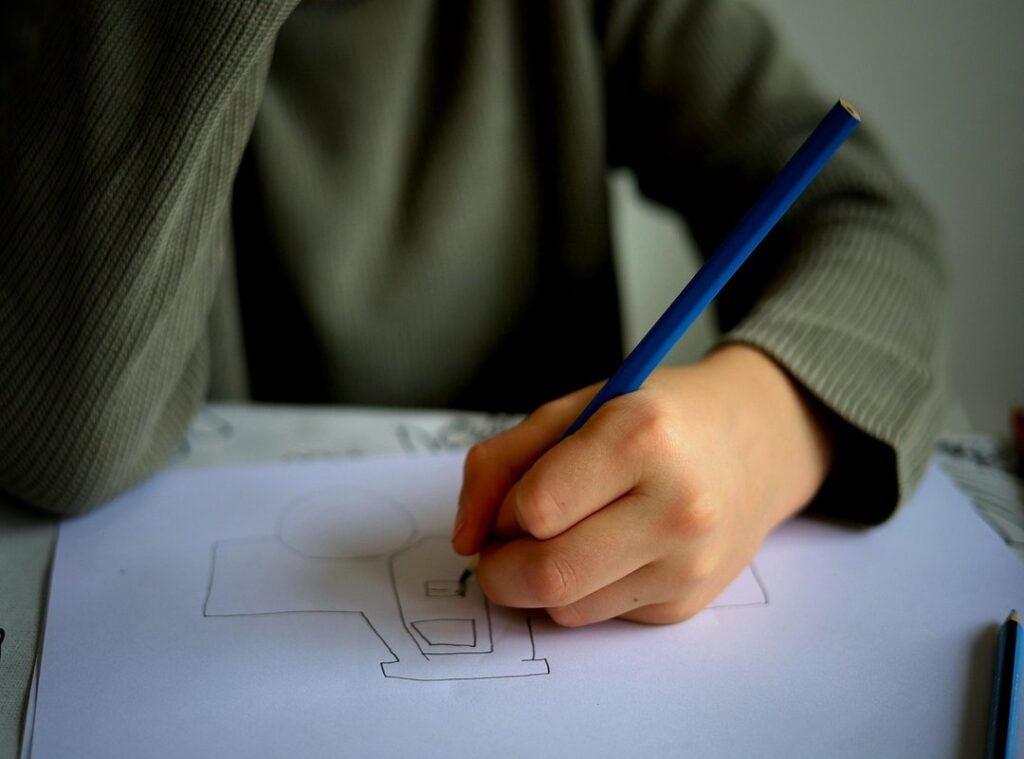
When you hear the term dessin xxtenation , it can be a bit confusing. What does it even mean, and i get it.
You might be scratching your head, wondering if it’s some fancy art jargon or just a typo. It’s not.
I’ve been in the drawing and illustration world for a while, so I know the struggles of understanding new concepts. That’s why I’m here to break it down for you. This article will cover what dessin xxtenation is, why it matters, and how you can use it in your own work.
You might be thinking, “Why should I trust this?” Fair point. I’ve spent years honing my skills, and I’ve seen the impact of dessin xxtenation firsthand. I want to share that knowledge with you, so you can apply it and see the difference in your drawings too.
By the end of this, you’ll have a clear, practical understanding of dessin xxtenation . No fluff, no jargon—just straightforward, useful information, and let’s dive in.
What is XXtenation in Drawing?
XXtenation in drawing refers to a technique that emphasizes the exaggeration of certain features or elements to create a more dynamic and expressive piece. It’s all about pushing the boundaries of realism to make a stronger visual impact.
I remember talking to an artist at a local gallery who said, “XXtenation is like turning up the volume on your emotions and letting them spill out onto the canvas.” That really stuck with me.
The term XXtenation originated in the art community as a way to describe this bold, expressive style. Over time, it has evolved to encompass a wide range of artistic approaches, from cartooning to fine art.
One of the main purposes of XXtenation is to convey emotion and movement more vividly. By exaggerating certain aspects, artists can draw the viewer’s attention to specific parts of the artwork, making it more engaging and memorable.
In a recent interview, a well-known illustrator mentioned, “When you use dessin xxtenation, you’re not just drawing; you’re telling a story with every line and curve.”
So, whether you’re sketching a simple portrait or creating a complex scene, XXtenation can help you bring your drawings to life in a way that resonates with your audience.
Key Elements of XXtenation
Line work is the backbone of any good drawing. In dessin xxtenation, it’s even more crucial. The way you use lines can make or break the overall effect.
I prefer bold, confident lines to create a strong foundation. They give the drawing a sense of structure and clarity.
Shading and texture add depth and realism. Without them, your drawing might look flat and lifeless. Think about how light and shadow interact in real life.
For example, a rough surface will catch light differently than a smooth one. This can be achieved with cross-hatching or stippling. It’s all about creating that tactile feel.
Composition is where the magic happens. How you arrange elements on the page can either draw the viewer in or push them away. A well-composed drawing has a clear focal point and a balanced layout.
Imagine a landscape where the horizon line is placed just right, leading the eye through the scene. That’s the kind of composition that makes XXtenation stand out.
In my experience, these elements work together to create a cohesive and compelling piece. Line work sets the stage, shading and texture bring it to life, and composition ties it all together.
How to Apply XXtenation in Your Drawings
Start with a strong concept, and it’s the foundation of any good drawing. Think about what you want to convey and how you can make it stand out.
Sketching and initial lines are next. Use light, fluid strokes to outline your idea. Feel the pencil glide across the paper, almost like a dance.
(It’s a bit like when you’re trying to find the right rhythm in a song.)
Adding shading and texture is where the magic happens. Imagine the light hitting your drawing, casting shadows and highlights. Use your fingers to smudge the graphite, creating a soft, velvety feel.
The texture should be as tactile as possible, making the viewer want to reach out and touch it. Altwaynews
Finalizing the composition is crucial, and step back and look at your drawing. Does it capture the essence of dessin xxtenation?
Make sure every element works together to tell a cohesive story. Adjust the lines and shading if needed.
Pro tip: Sometimes, a little less is more. Don’t overwork your drawing; let the simplicity speak for itself.
Examples of XXtenation in Art
Let’s dive into some real-world examples.
First up, take a look at Vincent van Gogh’s “Starry Night.” This iconic painting is a perfect example of dessin xxtenation. The swirling night sky and the bold, expressive brushstrokes create a sense of movement and emotion. It’s effective because it draws you in and makes you feel like you’re part of the scene.
Now, let’s switch gears.
Consider the minimalist works of Agnes Martin. Her subtle, grid-like paintings might seem simple, but they also showcase xxtenation. The repetitive lines and soft colors create a meditative quality.
It’s a different style, but it still captures the essence of xxtenation by engaging the viewer in a more contemplative way.
These examples show how versatile xxtenation can be. Whether it’s through vibrant, dynamic strokes or quiet, precise lines, the technique can evoke powerful emotions and draw viewers in.
FAQs About XXtenation in Drawing
Q1: What are the most common mistakes when trying to achieve ‘XXtenation’ in a drawing?
One of the biggest mistakes I see is overcomplicating it. People think they need to add every little detail, but that can make the drawing look cluttered. Keep it simple and focus on the key elements.
Q2: How can beginners practice and improve their ‘XXtenation’ skills?
I always tell my students, “Practice, practice, practice.” But not just any practice—deliberate practice. Set specific goals for each session. For example, if you’re working on dessin xxtenation, try to draw the same object from different angles.
Another pro tip: Get feedback. Show your work to someone who knows what they’re talking about. They can point out things you might not see.
Q3: Are there any specific tools or materials that help in achieving ‘XXtenation’?
Sure, having the right tools can make a big difference. A good set of pencils, a quality eraser, and some smooth paper are essentials. But don’t go overboard.
Sometimes, less is more.
I once heard an artist say, “The best tool is the one you use consistently.” So, find what works for you and stick with it.
Mastering XXtenation in Your Drawings
Dessin xxtenation is a crucial technique for adding depth and realism to your artwork. The article highlights the importance of understanding and applying this method. It begins by explaining the basics, ensuring that even beginners can grasp the concept.
Key steps include observing real-life examples, practicing with simple shapes, and gradually incorporating more complex elements. Techniques such as shading, line variation, and perspective are discussed to help you master dessin xxtenation.
By following these steps, you can significantly improve the quality and impact of your drawings. Practice regularly and don’t be afraid to experiment. The more you explore, the better you will become at using dessin xxtenation to enhance your art.
 Sylron Frostbrook spearheaded the project’s interactive evolution, merging high-impact research with a premium user experience. They were instrumental in sourcing the deep-level insights that give the platform its substance, while simultaneously ensuring the interface remained fluid and intuitive. Through this balance of investigative depth and seamless design, they elevated the project into a sophisticated and highly engaging resource.